Girls Prove Their "I Can Power" at Northern Arizona's Girls On the Run 5K
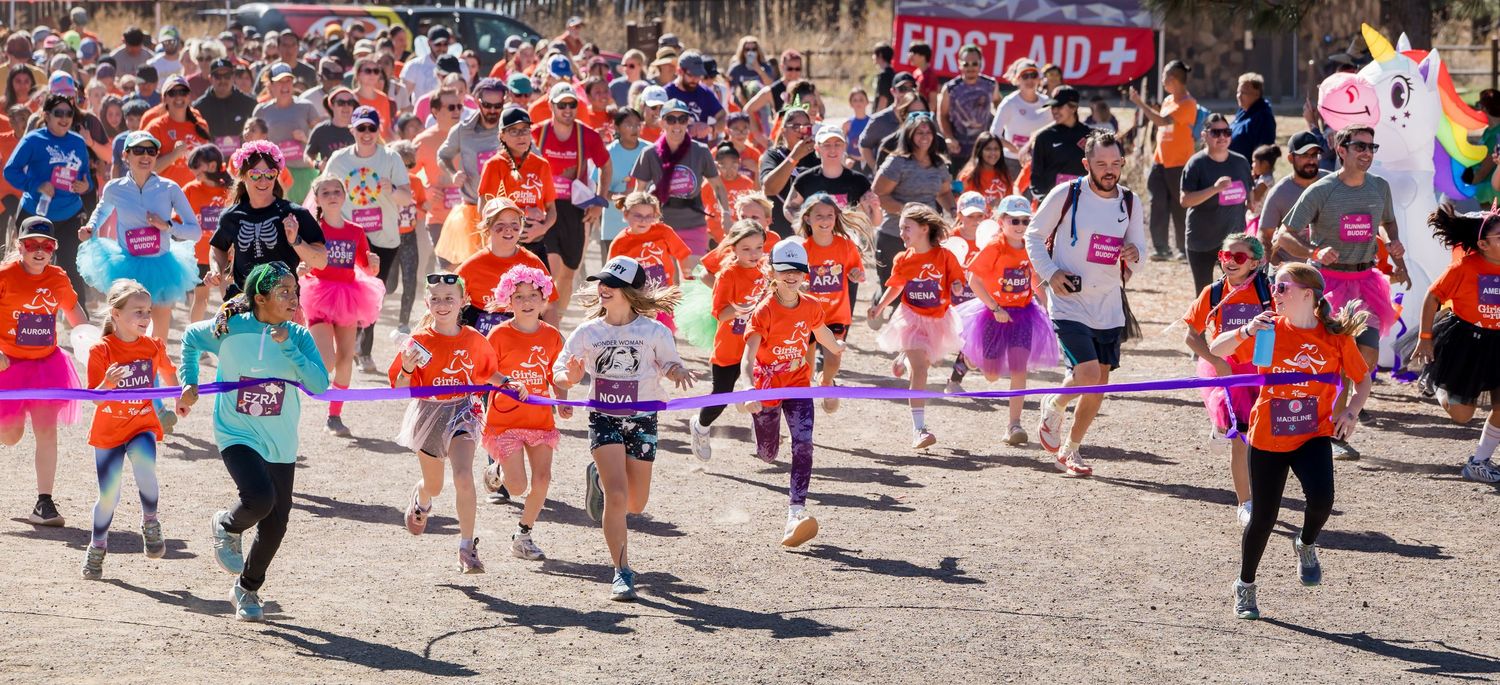
The glitter in their hair caught the November sunlight, but it was the confidence radiating from 260 young faces that truly sparkled as girls from across Coconino, Apache, and Navajo counties crossed the finish line at Buffalo Park on Friday. Each step of the 5K represented something far greater than distance covered—it was proof of a promise made to themselves over 10 weeks: that they could do hard things.
"I hope that these girls carry this moment with them and they remember that they can do hard things in life and in anything that they do," said Kathleen Barton, Council Director for Girls on the Run of Northern Arizona, her voice thick with emotion as she watched the last runners complete their journey. "They're capable of so much more than society tells them they are."
The November 1 event marked the culmination of a transformative 10-week program that serves third through eighth-grade girls across Northern Arizona. But this wasn't just another youth running event. It was a carefully orchestrated rebellion against the messages young girls receive daily about their limitations, their worth, and their potential.
More Than Just a Race
For Barton, who took the helm as Council Director earlier this year, the day represented both a professional milestone and a deeply personal mission. The former Gore production leader and project manager/improvement specialist discovered Girls on the Run in 2021 during a career break, and what started as a coffee meeting with her predecessor Kelly Teeselink became what she calls landing her "dream job."
"Kelly told me, 'We're teaching girls to be confident and we're teaching girls life lessons.' And I was just sold immediately," Barton recalled. "I had to be part of this."
The program Barton now leads operates on two tracks: Girls on the Run for elementary school students in grades 3-5, and Heart and Soul for middle schoolers in grades 6-8. This year's curriculum, titled "Hello Mountain Mover," centered on a deceptively simple but profound concept: helping girls find their "I can power."
"The whole theme of the curriculum this year was finding their 'I can power' and channeling that and teaching themselves that they can do hard things," Barton explained. "As silly as it is—it's something that we teach at this age and it's very age-appropriate and it feels silly sometimes to adults to hear it—but it's like, no, it's gonna stick. Girls will remember those phrases."
A Community Rallying Behind Its Girls
The morning began early, with staff and volunteers arriving at 8 a.m. to transform Buffalo Park into a celebration of girl power. By 11:15, when families were scheduled to arrive, many eager participants had already gathered, their excitement palpable in the crisp Flagstaff air.
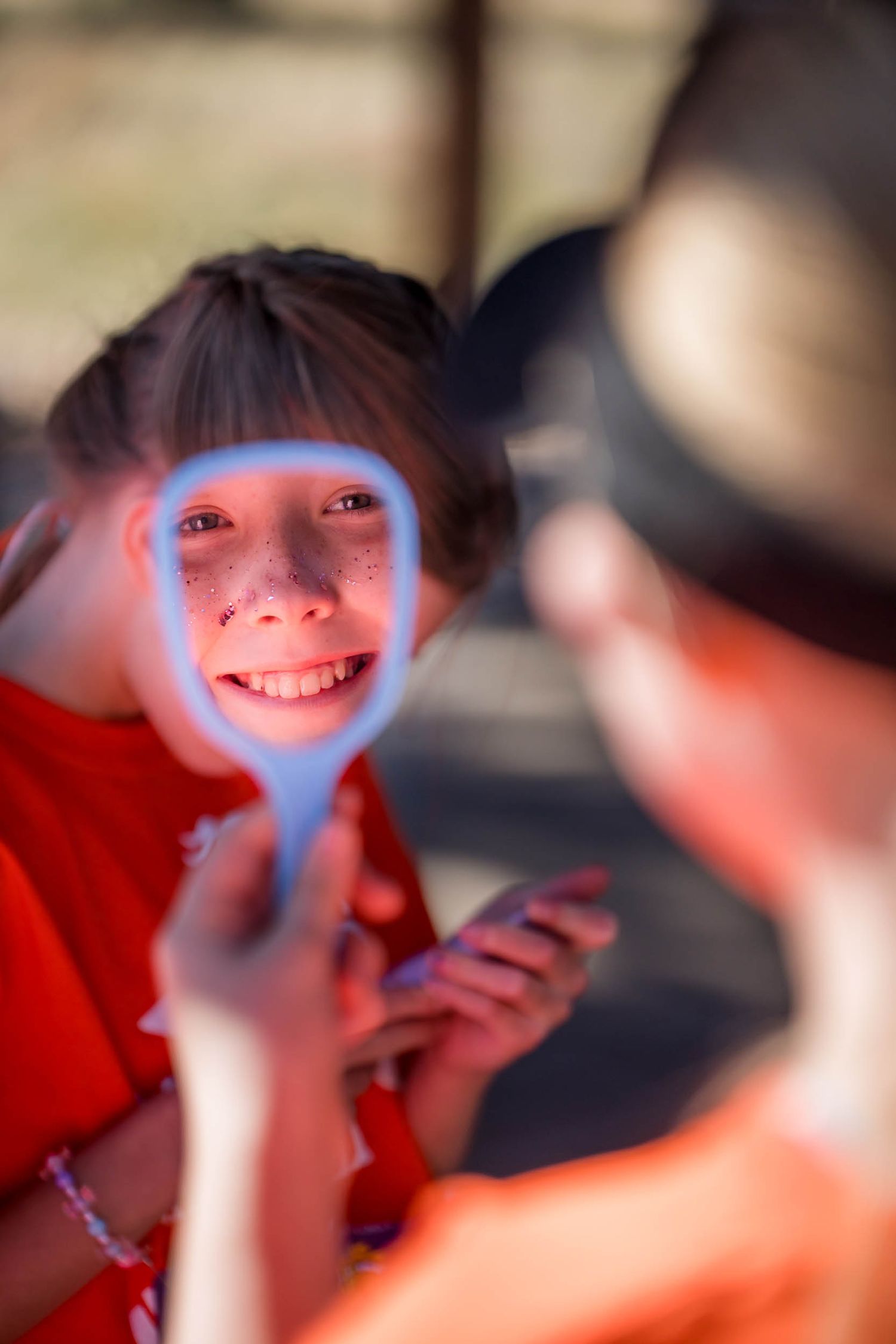
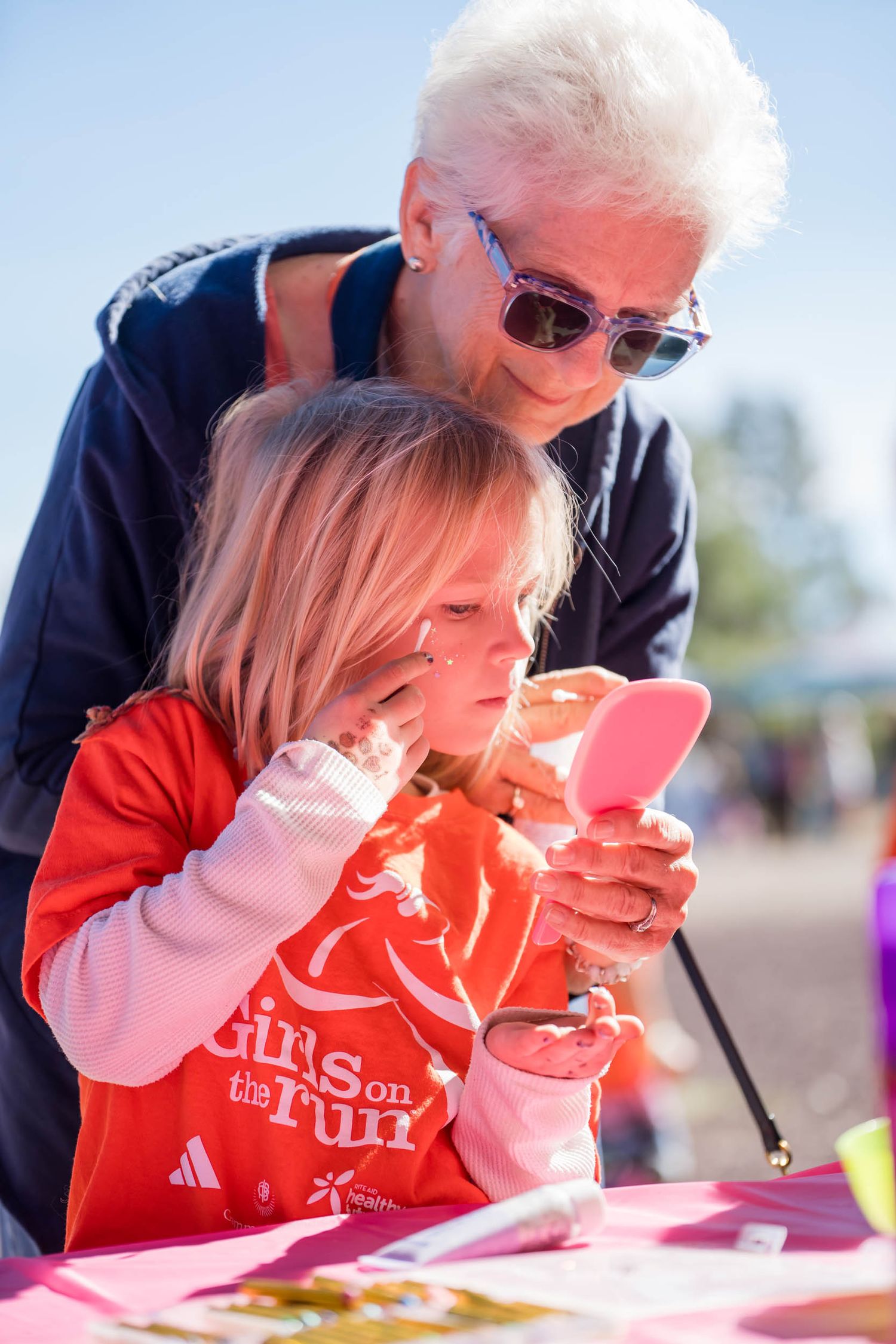
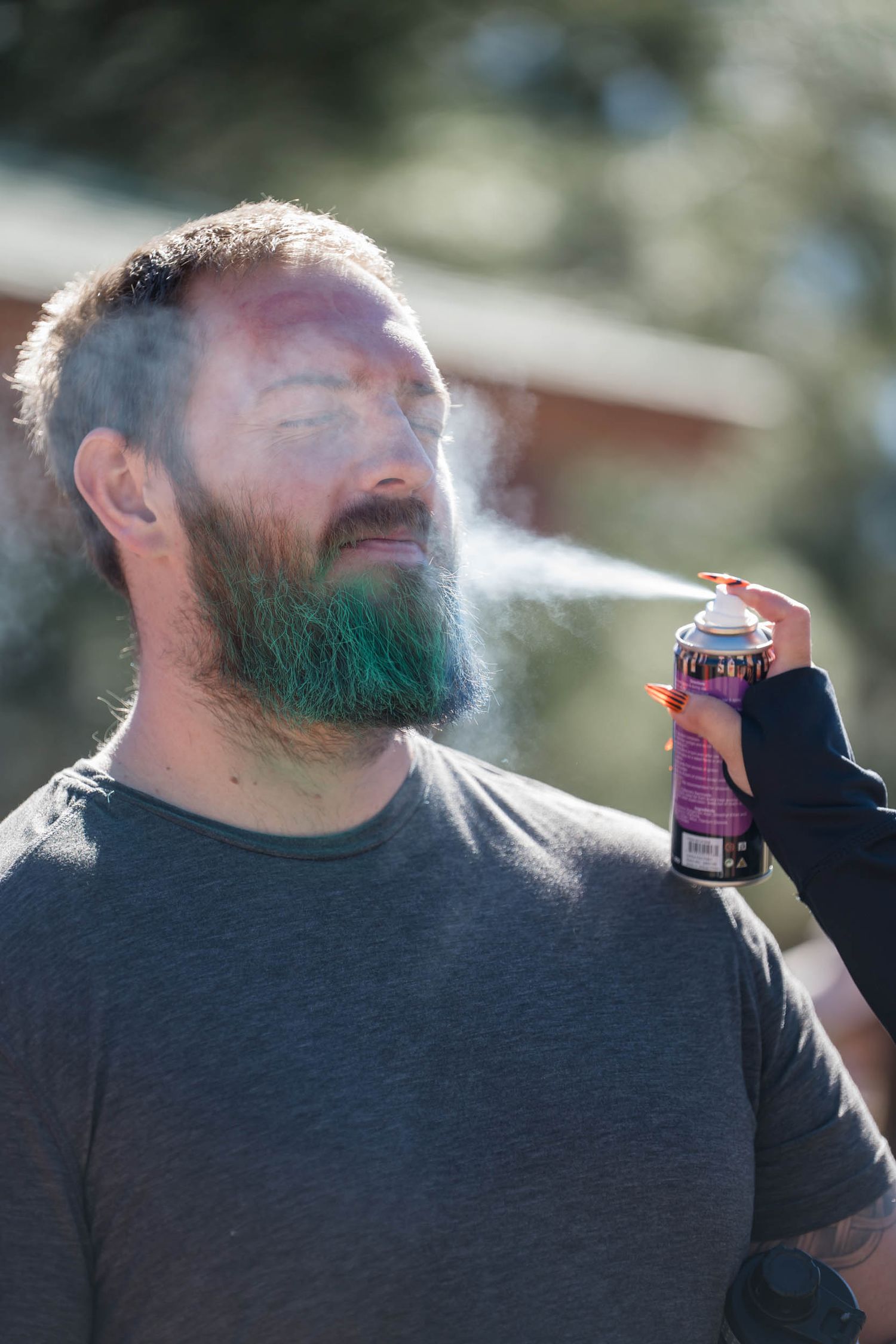
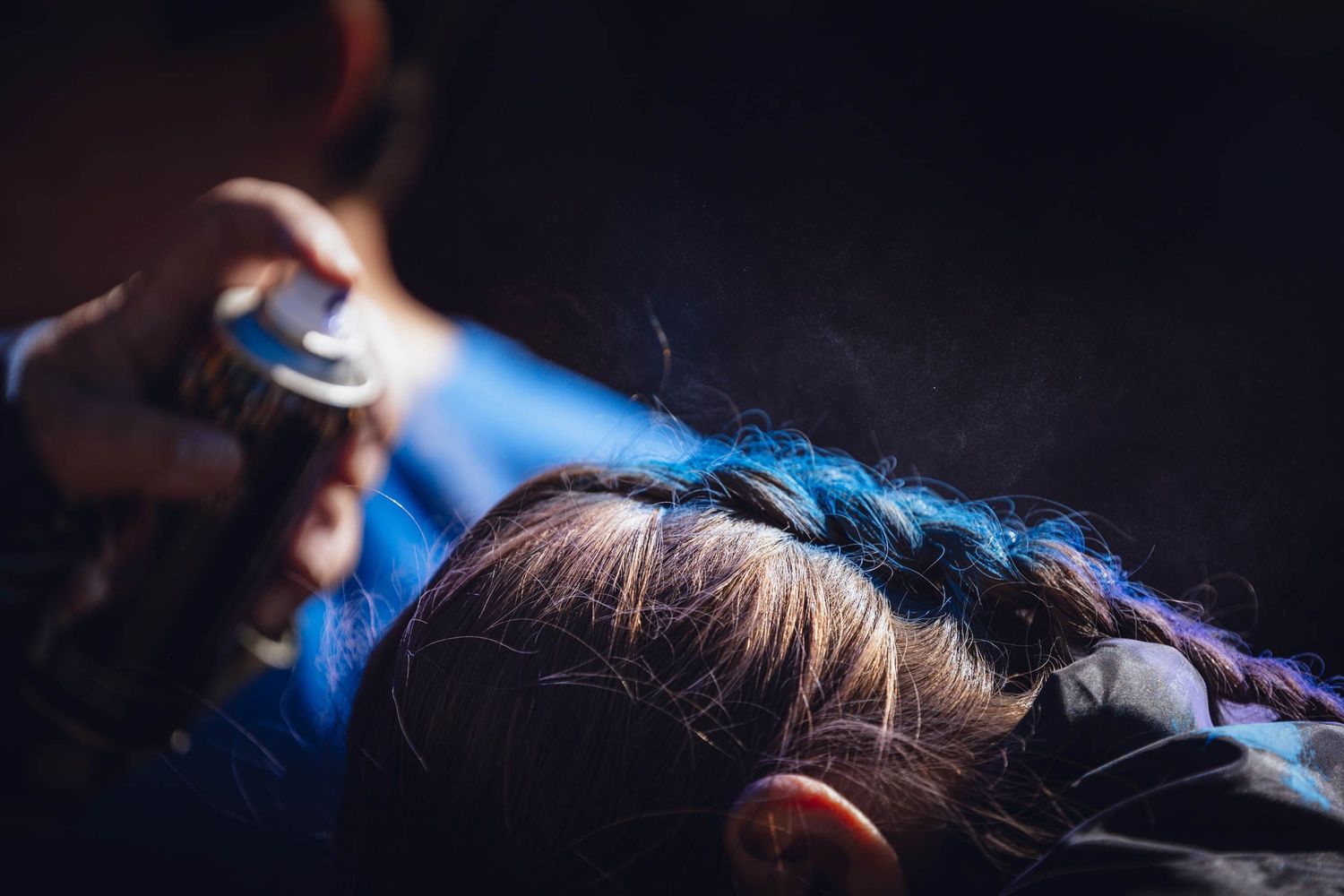
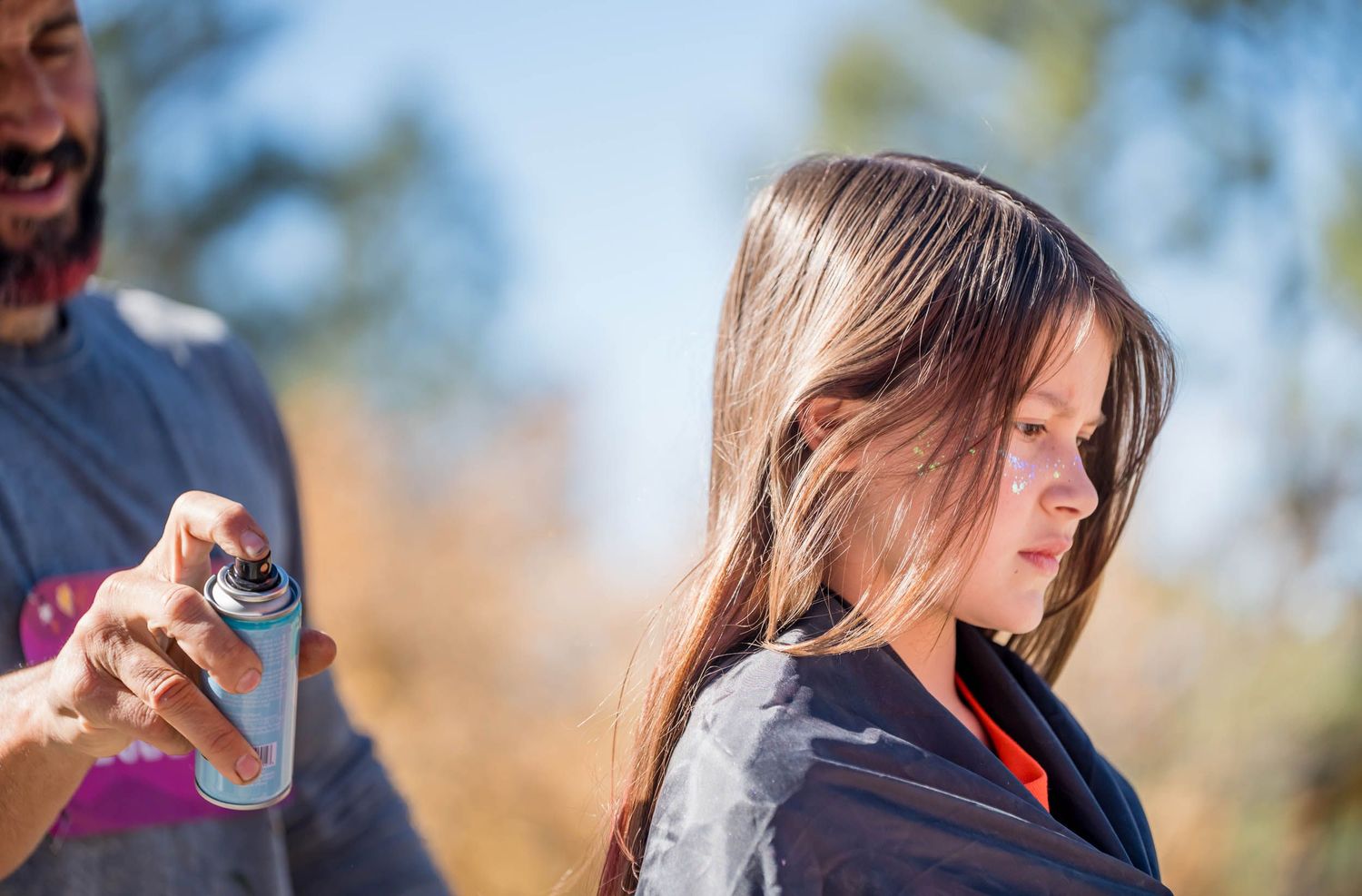
The pre-race festivities were deliberately designed to build confidence. At the "happy hair station," sponsored by Cambium Wealth Strategies, girls adorned themselves with face glitter, colorful hairspray, and temporary tattoos. Each runner's bib bore her name, decorated with unique stickers that reflected her personality. The inspiration station buzzed with activity while Keystone Massage offered leg massages to tiny athletes preparing for their big moment.
"It's just about feeling confident and feeling excited to run the race," Barton noted, watching girls transform into their most vibrant selves.
But perhaps the most significant pre-race ritual came from an unexpected partnership. Representatives from NACA (Native Americans for Community Action) conducted a land acknowledgment and blessing, offering traditional cedar smudging to participants—a particularly meaningful gesture given that many of the runners are Indigenous.
"We're really proud of the partnership we've developed with NACA because so many of our girls are Indigenous," Barton emphasized. "Obviously, that's a huge region of who we serve. And we continue to try to build there on the reservations, but just continue to build here locally and making sure that we're honoring the Native American Heritage, especially with it being Native American Heritage Month."
The sight of families participating in the cedar smudging ceremony moved Barton. "I saw a lot of people over there, which was really exciting. And I'm really proud that we offered that."
Every Girl Had a Champion
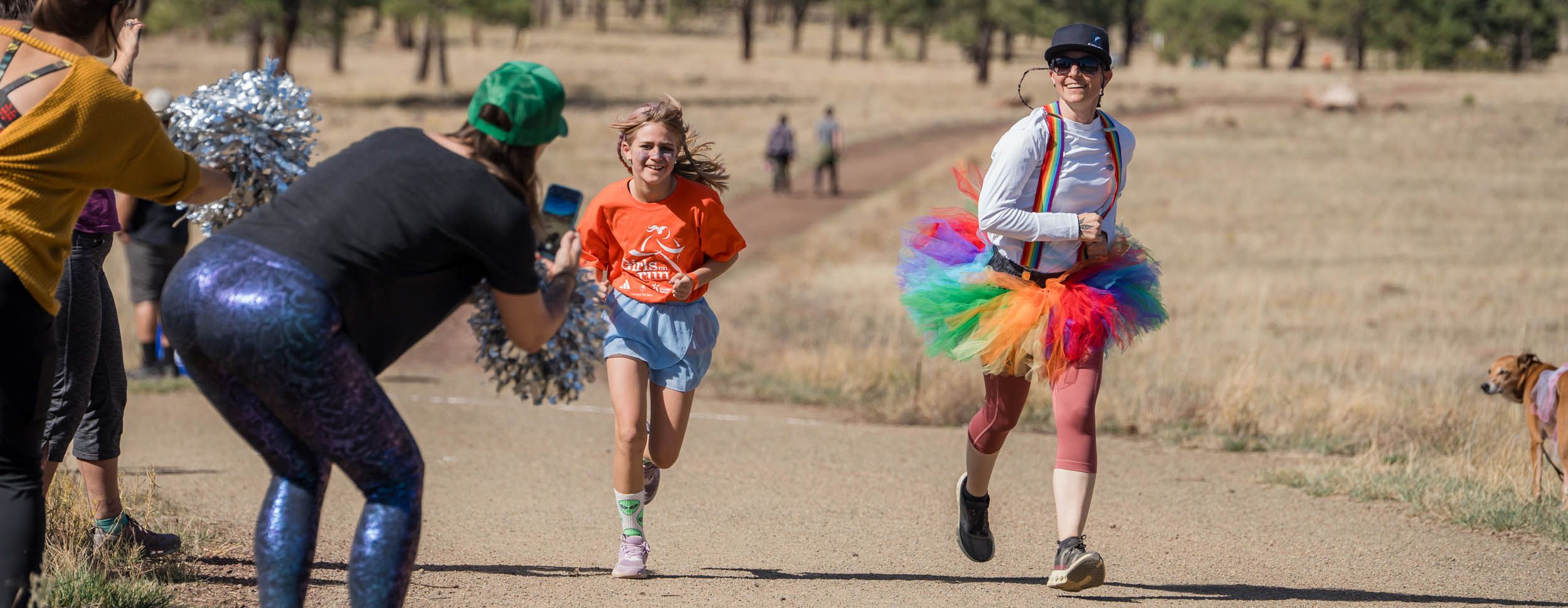
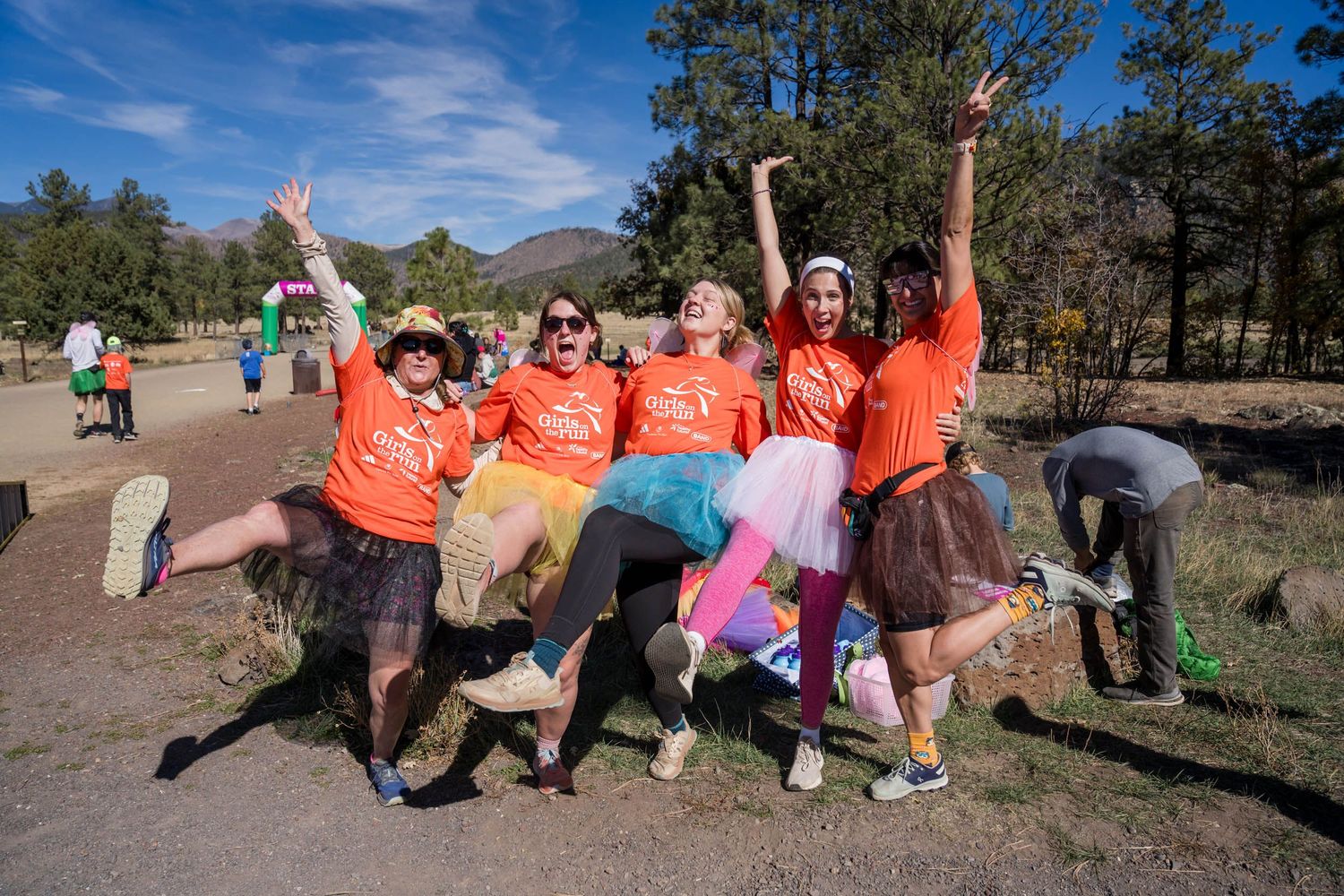
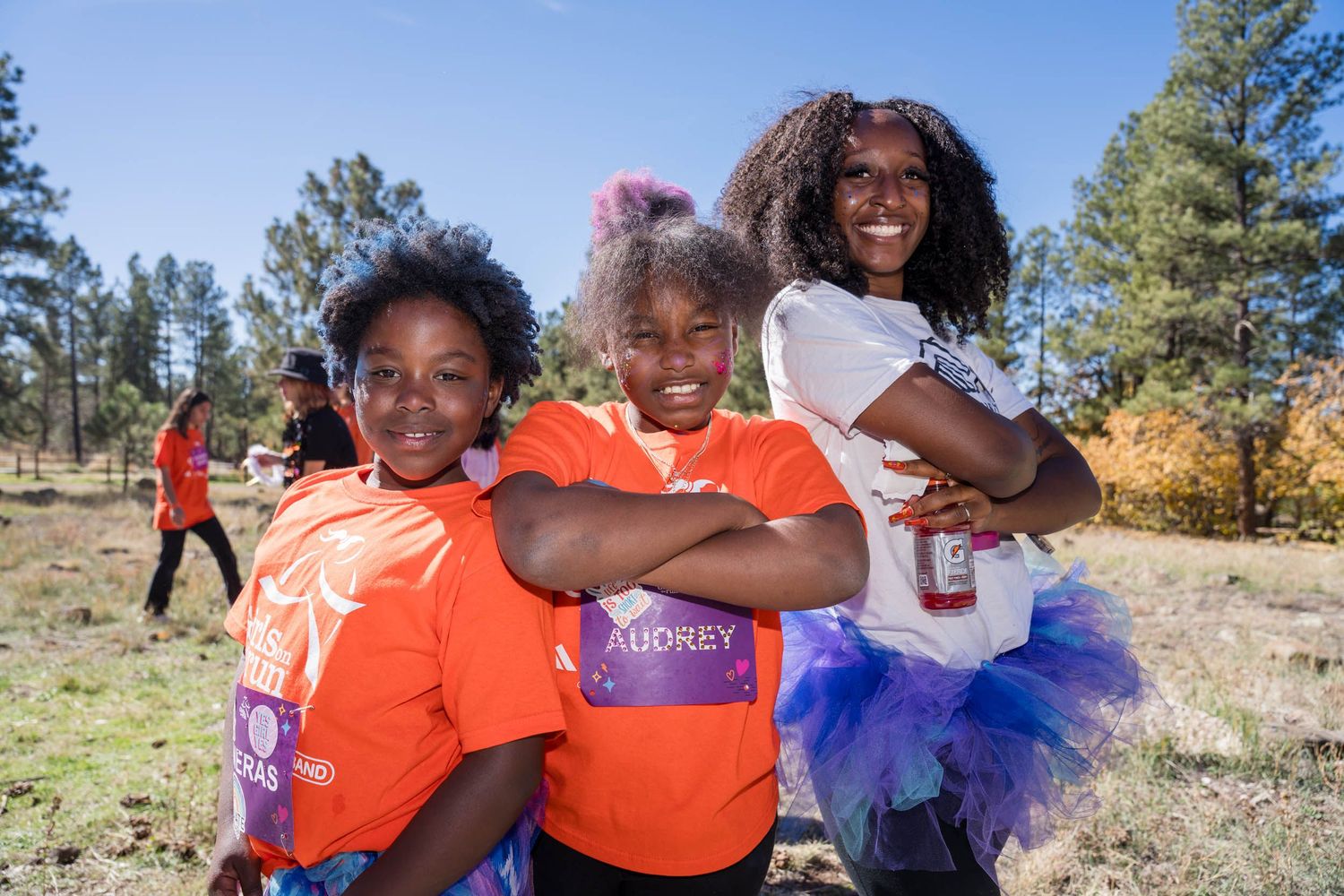
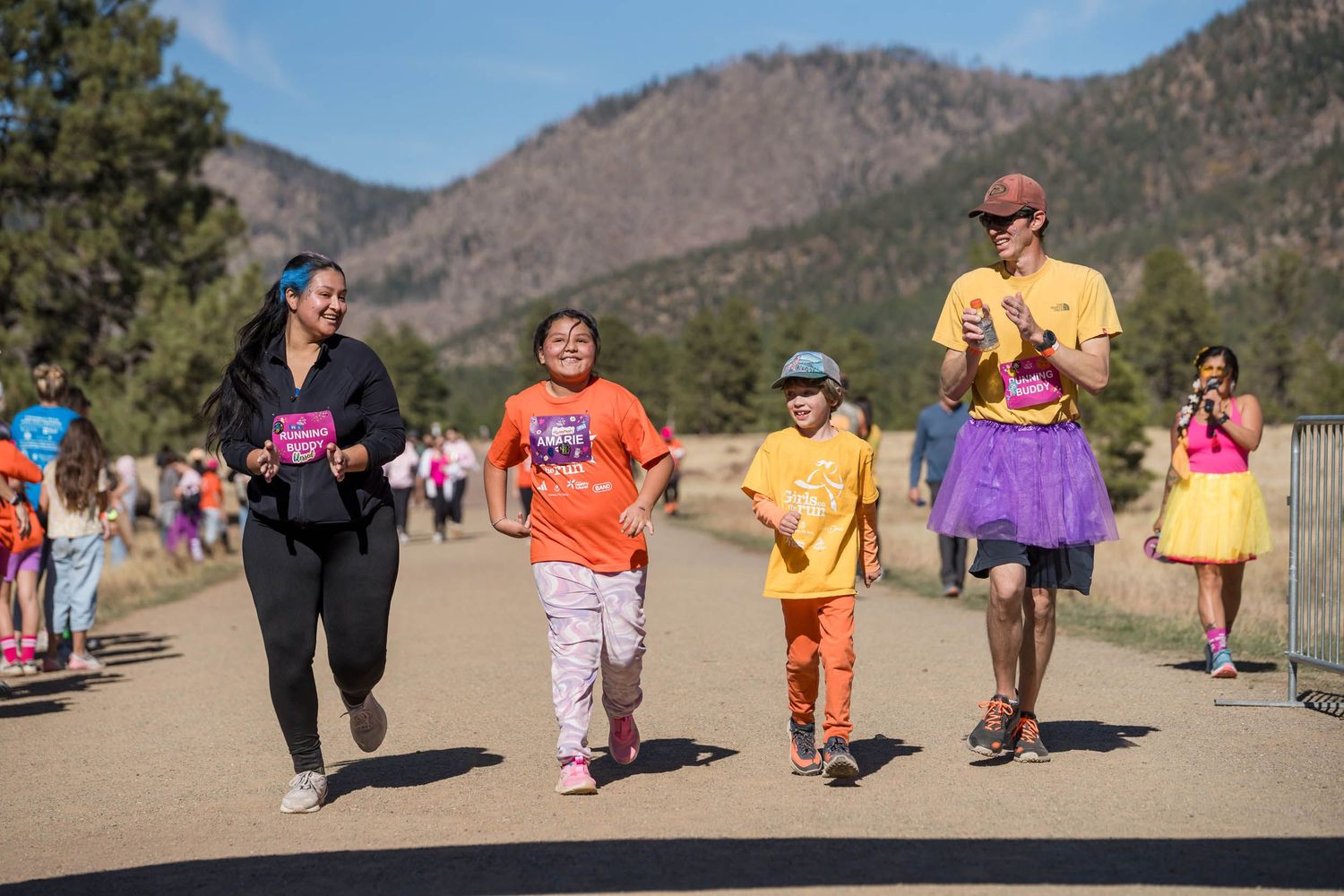
No girl ran alone. Each of the 260 participants was paired with an adult "running buddy"—a parent, teacher, sibling, mentor, or family friend who served as both safety companion and personal cheerleader. For many of these adults, it was their first 5K too, creating a shared experience of pushing boundaries and discovering capabilities.
"There were a lot of dads today, which I was really proud to see," Barton observed, noting the bearded fathers sporting face paint alongside their daughters.
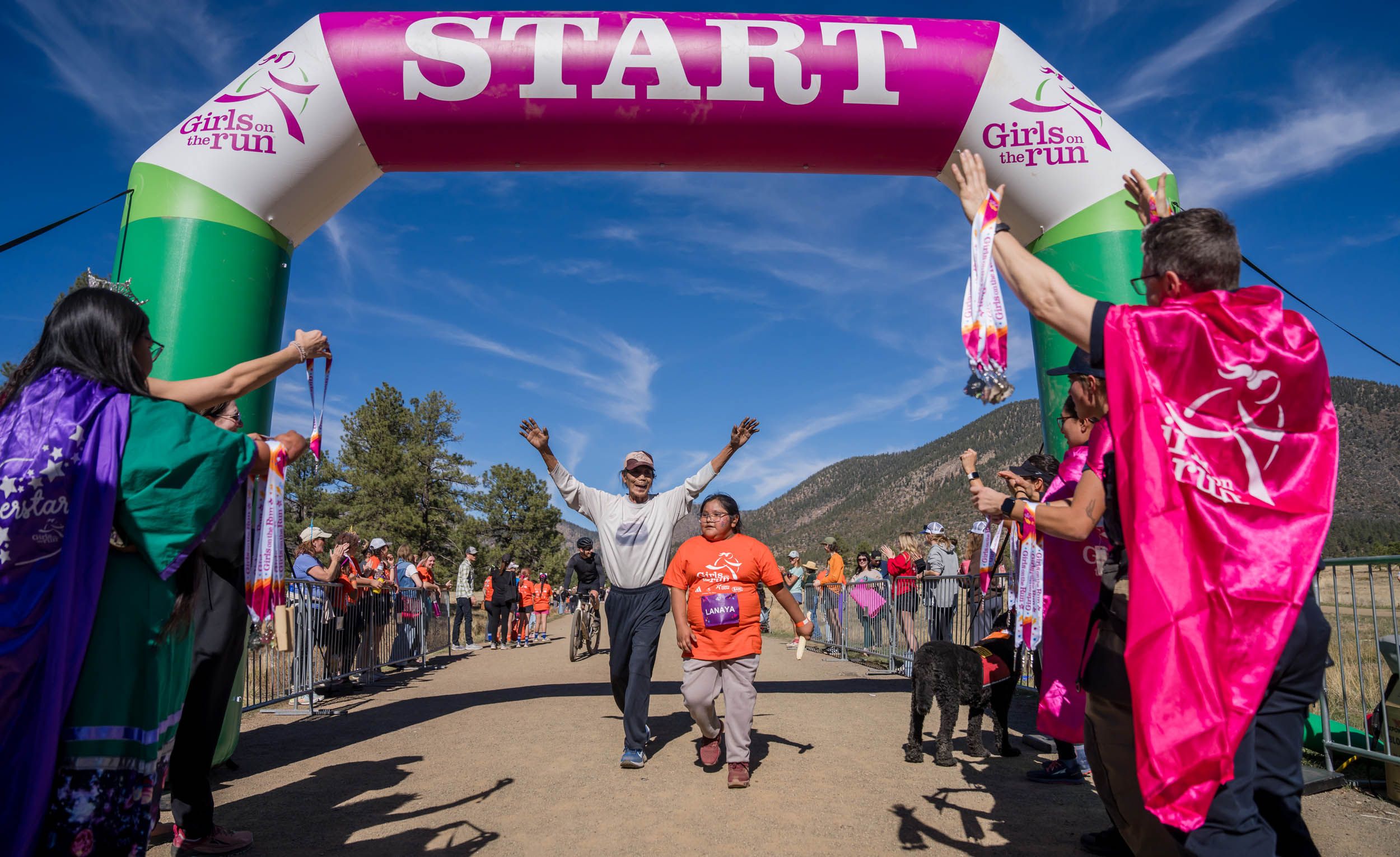
The volunteer army extended far beyond the running buddies. Ten advisory board members, whom Barton describes as "a passionate working board," showed up in force. Members of Gamma Phi Beta sorority from NAU—Girls on the Run's national sponsor—manned stations throughout the course. Community groups lined the dirt trails, creating tunnels of encouragement for every runner who passed.
Even chance encounters strengthened the support network. "Somebody who didn't know Girls on the Run was here, but her daughter did it 15 years ago in North Carolina," Barton shared. "It's always fun to find those connections."
Fighting an Invisible Battle
The urgency of the Girls on the Run mission becomes clear when Barton discusses why this program matters so deeply for this specific age group.
"I think we all know that the pressures of social media and society in general is not kind to girls, right?" she said, her project management background giving way to passionate advocacy. "It's telling us all the time what we should look like and what we should eat and how fit we should be in all of these things."
The 10-week curriculum addresses these pressures head-on, teaching positive self-talk, emotional management, and perspective-shifting at an age when these lessons can truly take root. The 5K serves as tangible proof that the girls can set ambitious goals and achieve them—a powerful counter-narrative to messages of limitation and self-doubt.
"It's really important to catch these girls at an age where they can actually internalize that and use some of the tools that we're teaching them throughout life so that they don't end up depressed or they don't really succumb to some of those pressures that they feel, honestly, too early in life," Barton explained.
Building Back Stronger
Taking over from Teeselink, who left to focus on motherhood, Barton inherited both a strong foundation and the challenge of rebuilding participation numbers that had declined during COVID. This year's increased enrollment signals momentum in the right direction, but Barton's vision extends beyond simply returning to pre-pandemic levels.
"Obviously we want to serve girls. We want to give this opportunity to as many girls as possible so that we have even more fantastic, confident leaders in the future," she said. "Figuring out how to strategically expand—it's hard too, because it's just Joy [her colleague] and I, and that's like one and a half full-time equivalent in place. So it's hard for us to be in all the places at once."
New partnerships are fueling this growth. Northern Arizona Orthodontics returned as a sponsor after years away. Babbitt's Outdoor Outfitters joined the cause, as did Beyond the Pines counseling services—a particularly aligned partner given their shared focus on youth mental health. Club Pilates not only sponsors the program but contributed their manager as a coach who led the morning's warm-up.
"It's just like finding those different connections of people who have passion toward what we're doing here and want to be a part of it," Barton reflected.
The transition from corporate operations to nonprofit leadership hasn't been without its learning curves. "I was a little naive thinking like, oh, people are going to reply to me all the time and answer, people are going to throw their time at me and their money," Barton admitted with a laugh. "It has been an adjustment, really trying to hunt people down and get answers."
Even on race day, uncertainty lingered. "There've been a couple of things, people who said they would be somewhere that I'm like, I really hope they show up."
But they did show up. In force.
The Moment That Matters
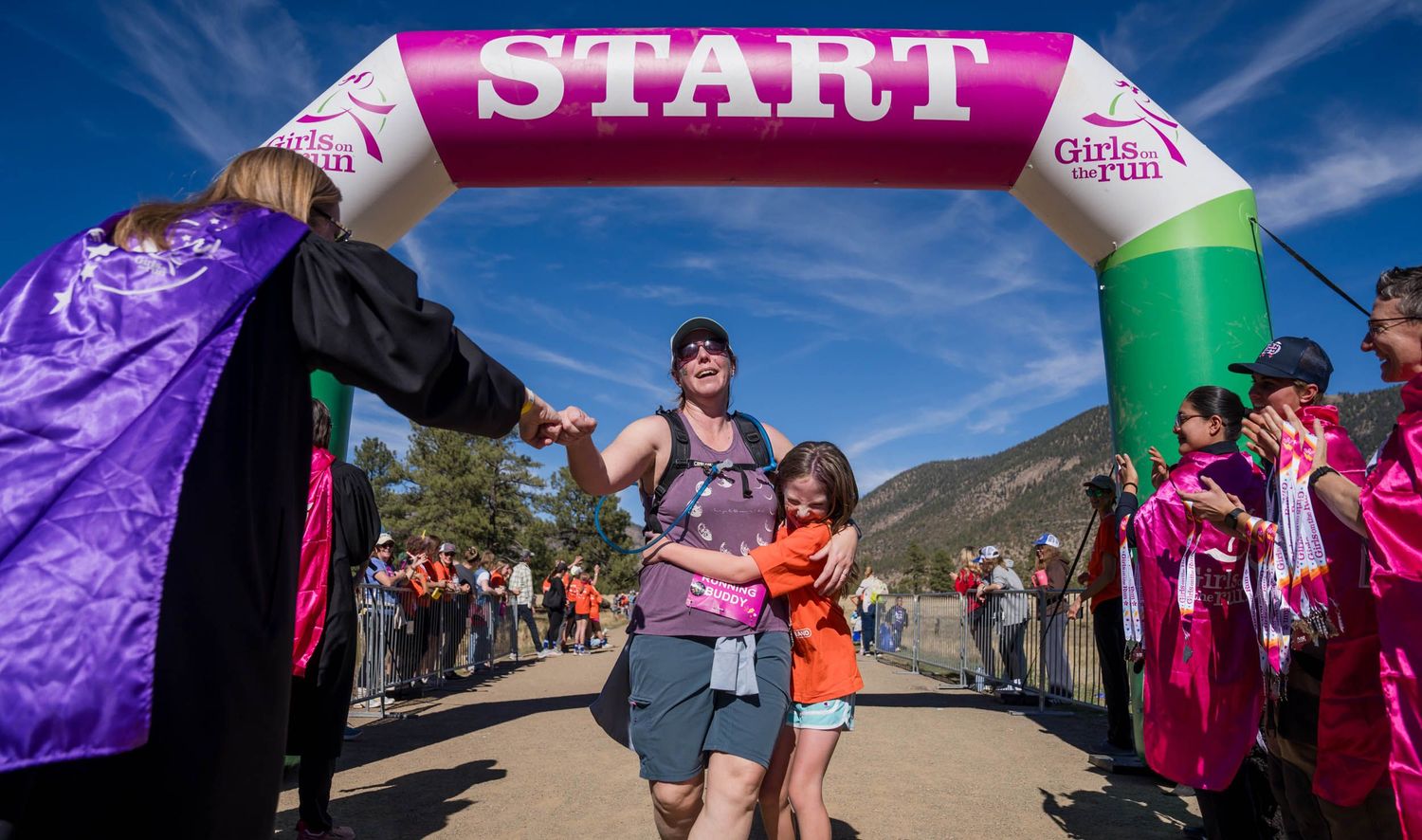
As the final runners approached the finish line at Buffalo Park, something shifted in the atmosphere. Parents wiped away tears. Coaches cheered themselves hoarse. Girls who had started the morning uncertain if they could complete 3.1 miles discovered they were capable of far more than they'd imagined.
Having photographed this event for 16 consecutive years, I've always sensed there's something ineffable about what happens at the finish line—something my lens captures but can't fully explain. After 35 years as a photojournalist, I've come to understand that there's always more to a moment than meets the eye. When I asked Barton what my photos might miss about these moments, her response revealed something I'd long suspected but never quite articulated.
"You know, I think you do a great job of capturing those moments because I feel like in so many of the photos that you take, you can really see the light in girls' faces," Barton told me, reflecting on years of seeing my images. "I love all of my favorite photos that I see from you are the ones where, you know, it's like running buddy and girl looking at each other like 'You did it!' 'I did it!' You can really feel that when you're near the finish line."
Her words suggested that somehow, my images transcend mere documentation—they transmit the actual feeling of being there.
"It can be a pretty emotional thing because it's just so much confidence, so much growth in these girls, so much like, 'I did this and I'm amazing,'" Barton continued. "For them to really feel that and for us to feel that with them—it's magical. It really is."
This magic—the intangible essence of transformation, confidence, and joy that I've tried to capture year after year—is what brings me back. After 16 years, I've developed an intuitive understanding of where these moments will unfold and how to preserve not just the visual, but the emotional truth of what happens when a young girl realizes she can do hard things.
"Some of the lessons that we teach about positive self-talk and how to manage big emotions and how to just kind of understand how to be agile in life and how to shift your perspective—I hope a lot of the girls remembered some of those lessons out on the course today," Barton reflected.
A Message That Sticks
As families packed up and headed home from Buffalo Park, the temporary tattoos might fade and the glitter would wash out, but Barton hopes the deeper transformation will endure. The phrase "I can power" might sound simple, even silly to adult ears, but for girls navigating a world that constantly tells them what they cannot do, it's revolutionary.
"That's our whole thing at Girls on the Run—girls have limitless potential," Barton emphasized. "We just want them to know that and to believe that."
In a society that begins limiting girls' dreams almost from birth, Girls on the Run offers a different narrative. Through the simple act of training for and completing a 5K, 260 girls from across Northern Arizona proved to themselves that they are indeed mountain movers. And in Flagstaff on November 1, 2025, with the San Francisco Peaks watching over Buffalo Park, they moved mountains—one step, one breath, one "I can" at a time.
"I hope that they all feel like mountain movers and can carry that with them for years to come," Barton said, watching the last families leave the park. "And they remember, even if they feel a little bit of doubt, their 'I can power.'"
For 260 girls in Northern Arizona, November 1 wasn't just about running 3.1 miles.
It was about discovering that the only limits that truly matter are the ones they set for themselves. And on this crisp fall day in Flagstaff, they set those limits aside and ran straight through to the other side, where limitless potential was waiting for them all along.


